




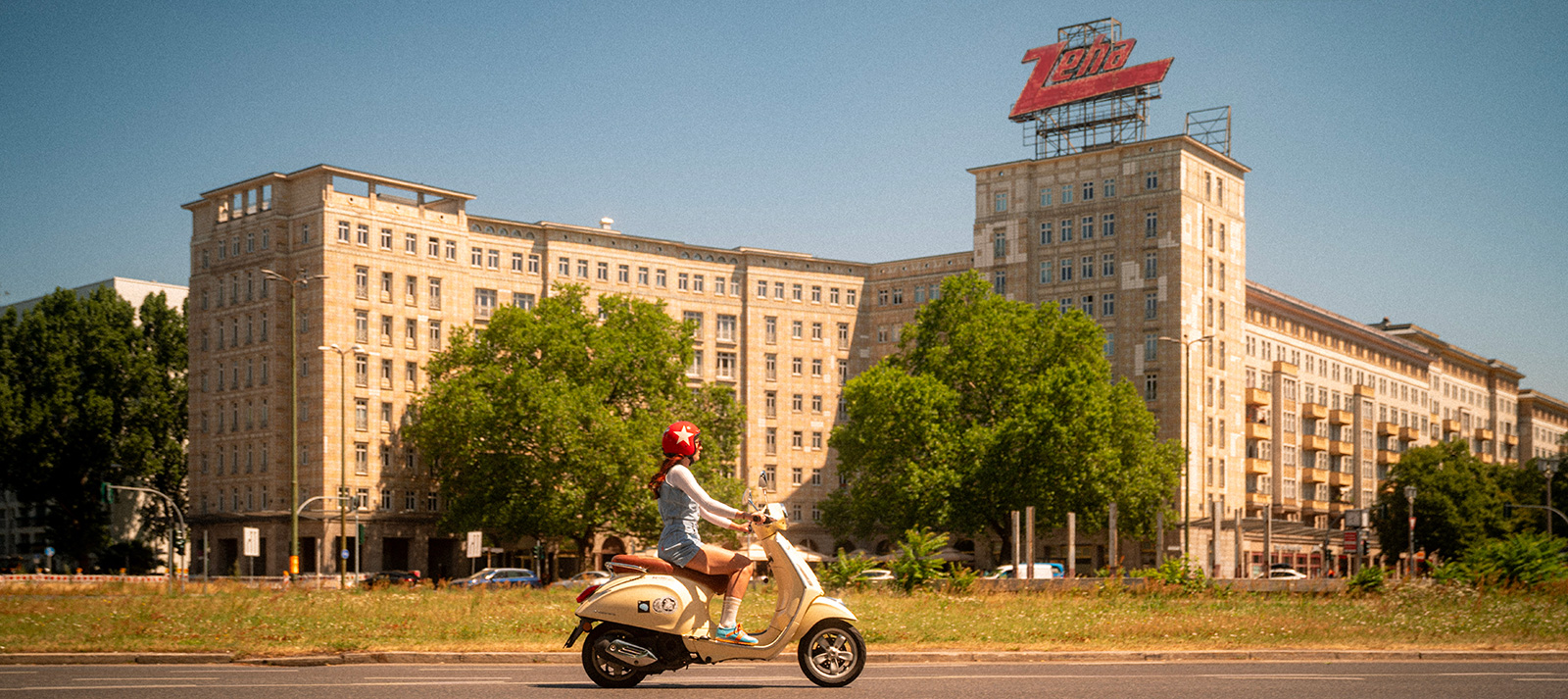
Athletic Heritage
Historic ZEHA track-and-field shoe designs,
re-engineered and handcrafted
with exceptionally lightweight vegetable-tanned leather uppers
and a multi-part Lightweight sole combining responsive microfoam with
an abrasion-resistant outsole – lightweight and flexible,
yet shape-retaining, grippy and durable.
From the Track to the Street
The Athletic Heritage Collection draws on historic ZEHA track-and-field and running shoe designs originally developed for movement, low weight and the demands of different athletic disciplines.
Characteristic elements of these sports shoes are carried into today’s models and re-engineered for everyday wear. The specialised sports shoe becomes a lightweight leather sneaker that preserves its origins not only in its shape, but also in its construction.
Exceptionally lightweight leather uppers meet a multi-part Lightweight sole. Responsive microfoam keeps weight low while providing soft cushioning and flexibility; the grippy, abrasion-resistant outsole gives the construction stability and durability for everyday wear.
The result is ZEHA’s lightest collection: lightweight, responsive and flexible – yet substantial enough for a leather shoe designed to be worn all day.
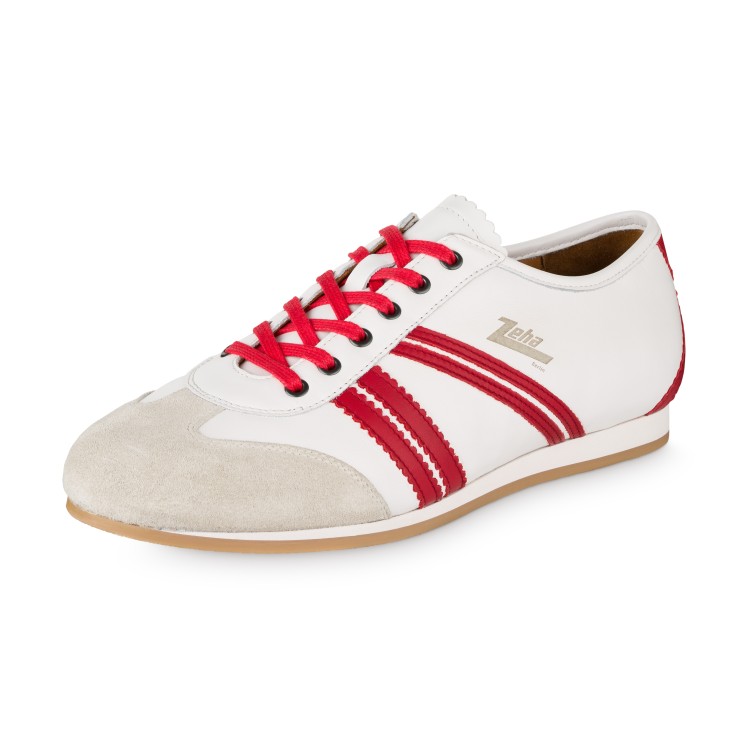
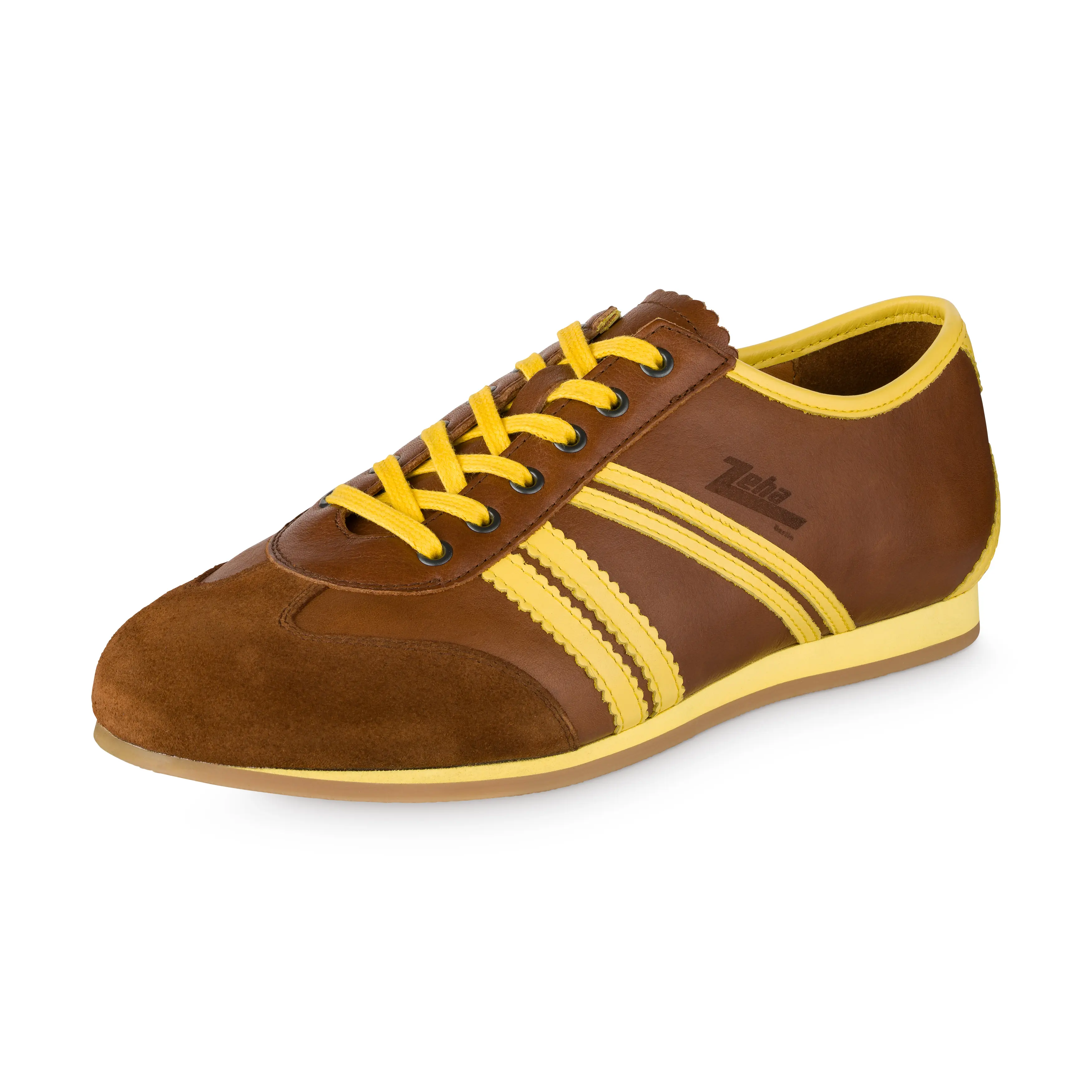
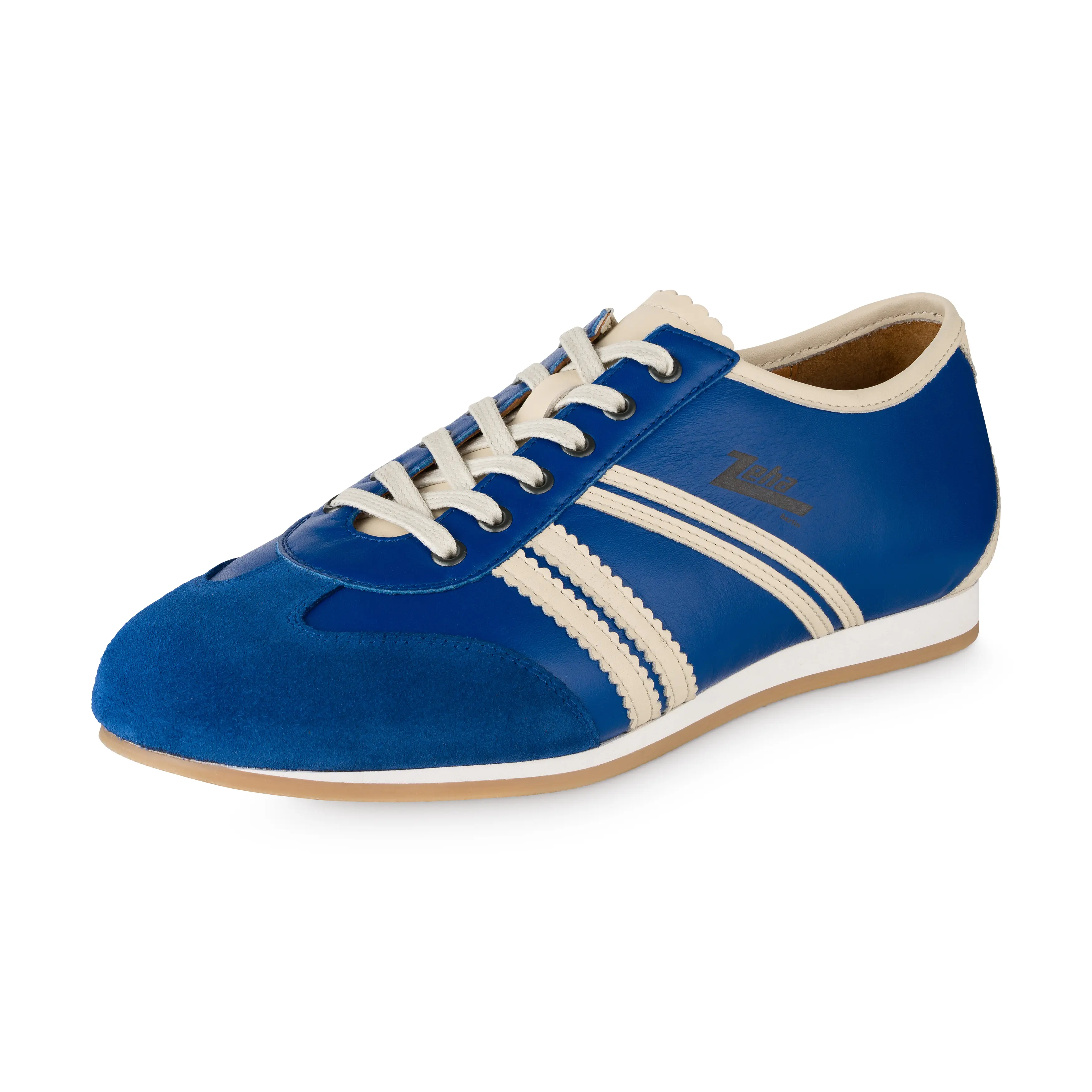
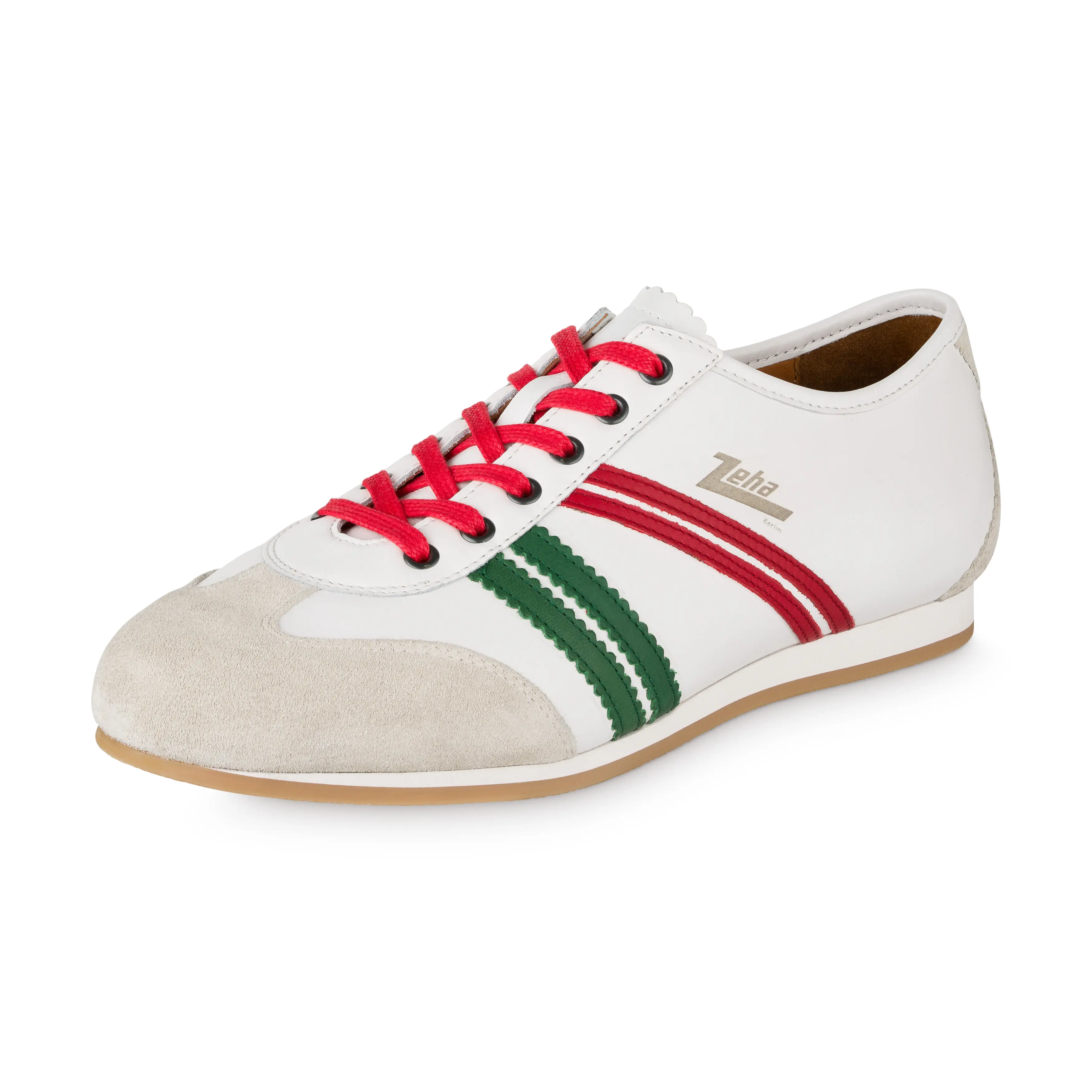
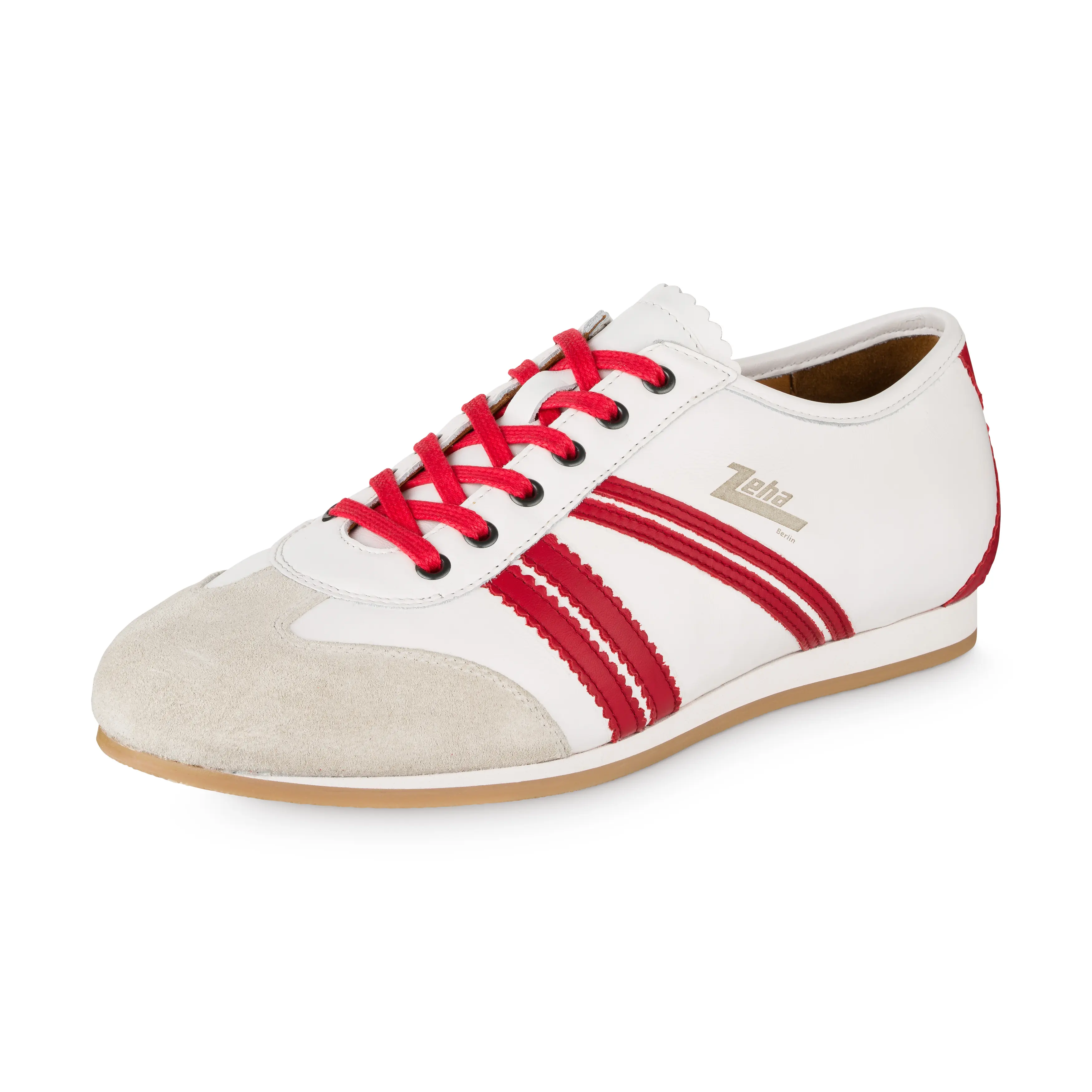
Klassiker
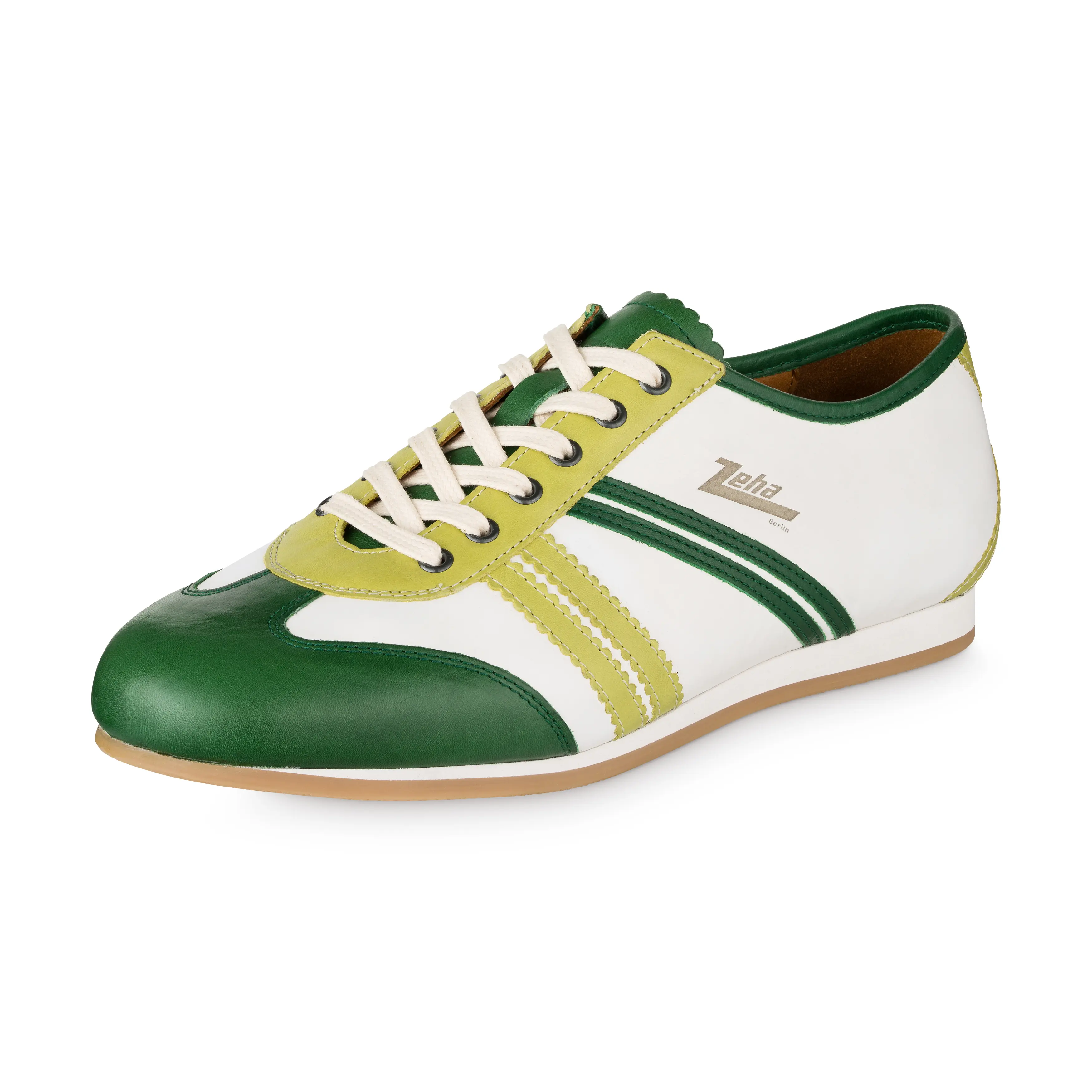
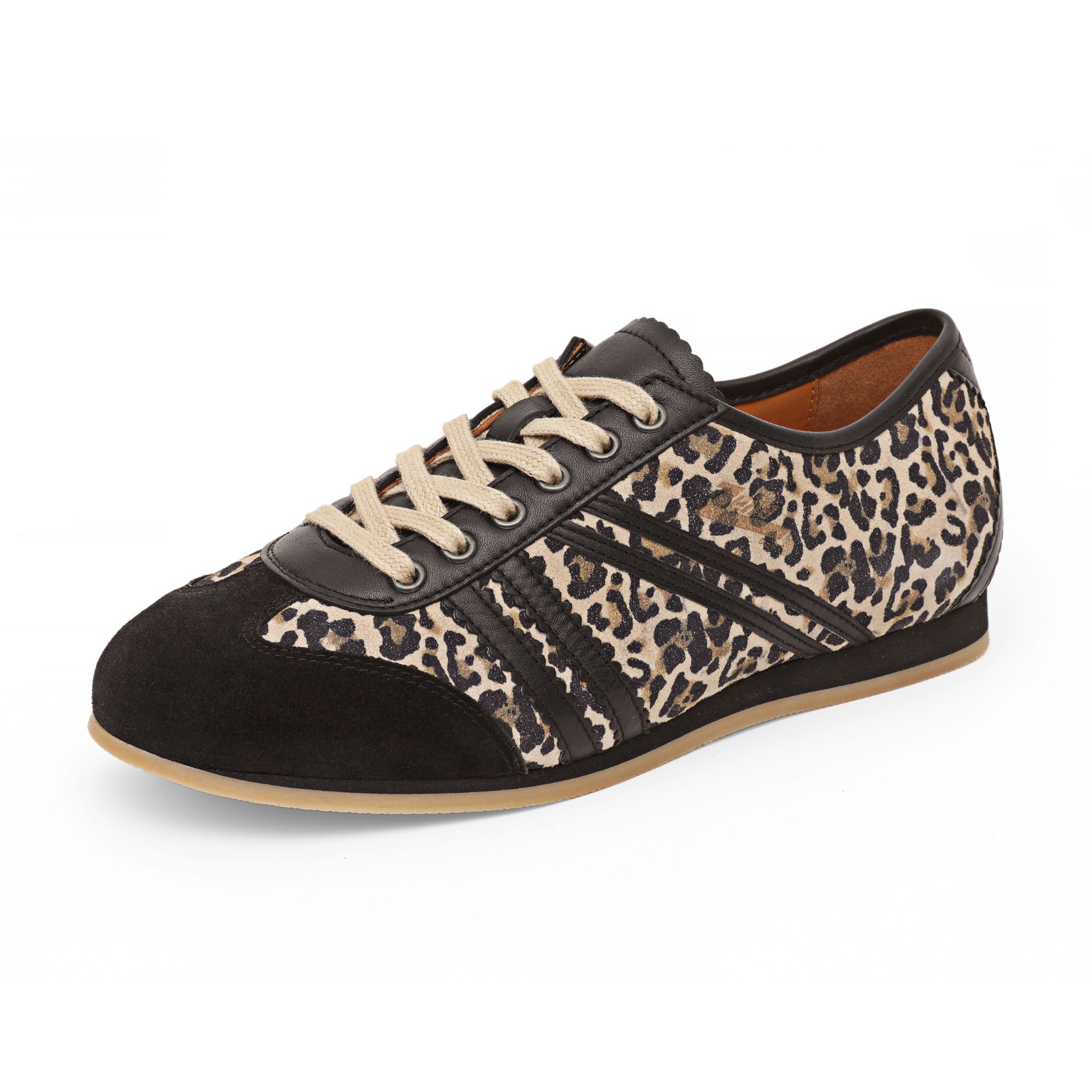
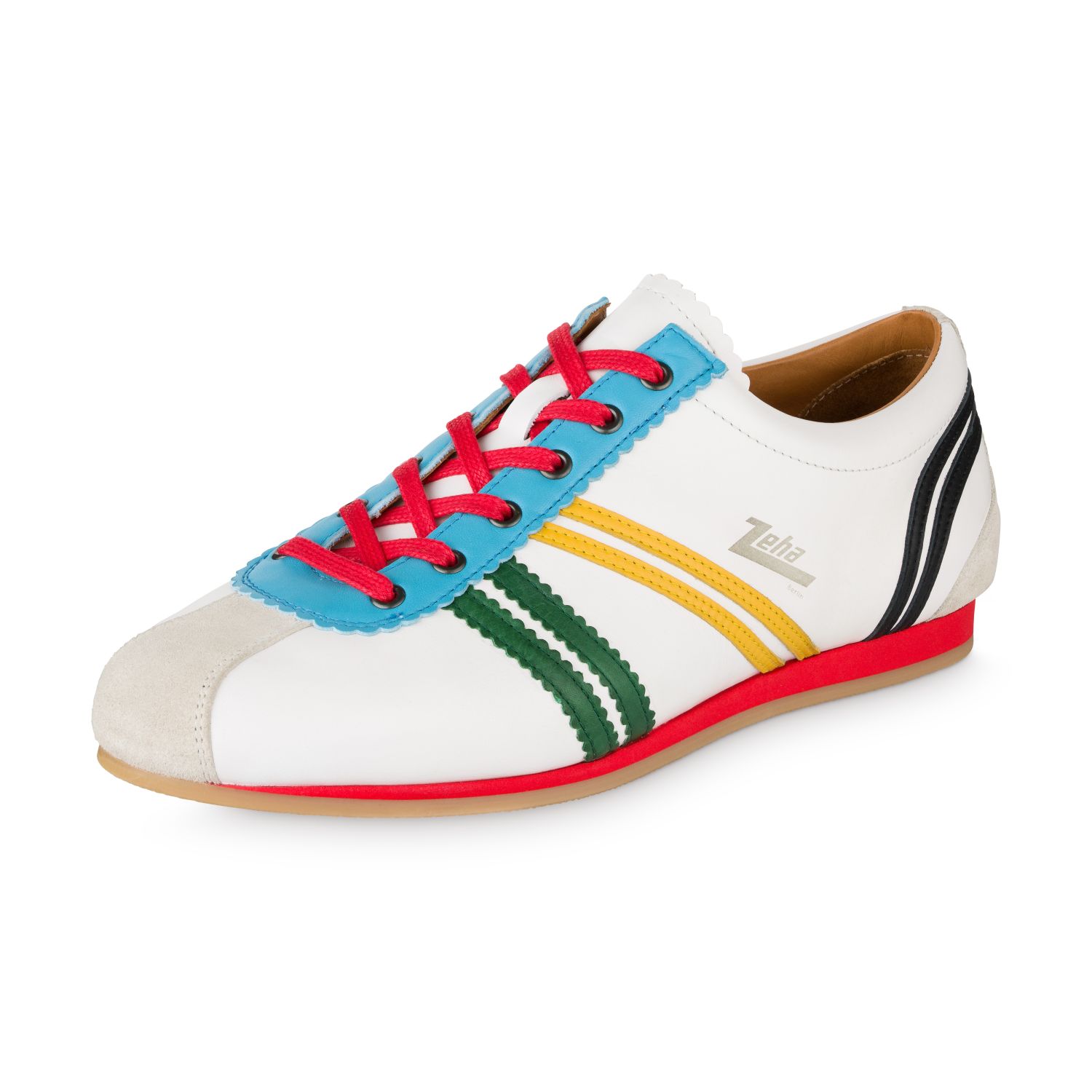
The Klassiker draws on the clean lines of historic ZEHA sports shoes and translates them into the lightweight construction of the Athletic Heritage Collection.
Its slim leather upper and responsive sole construction make it the most understated and versatile model in the collection.
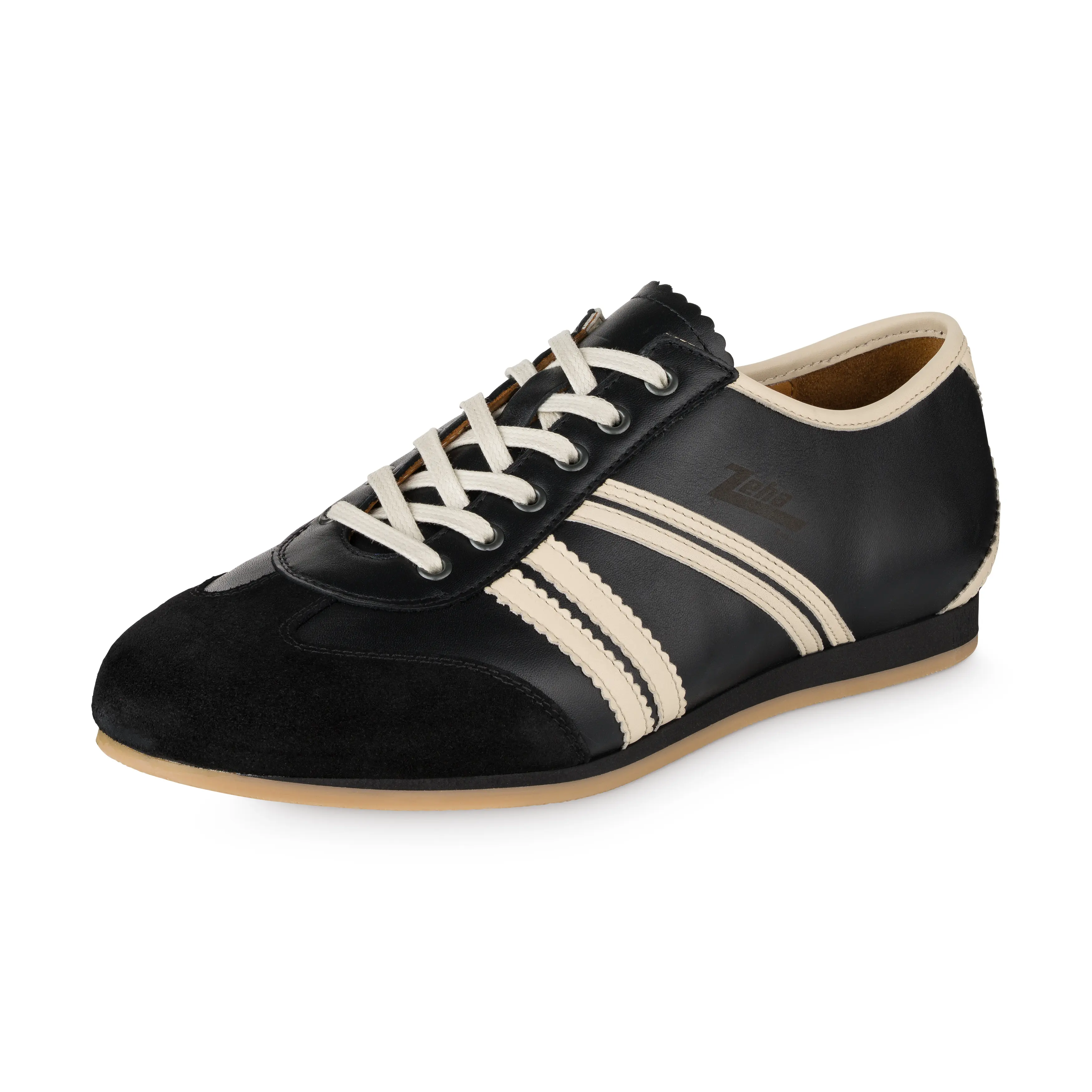
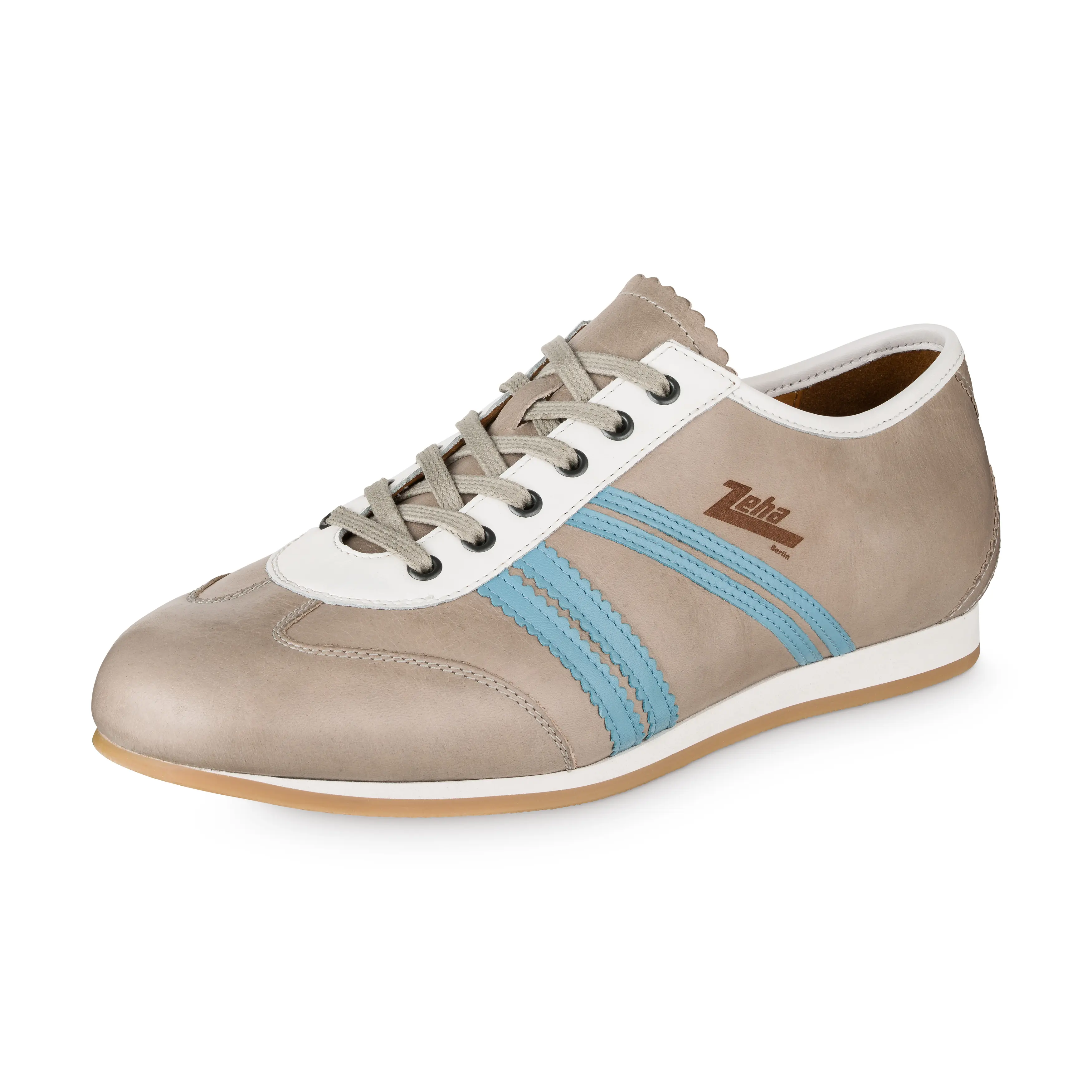
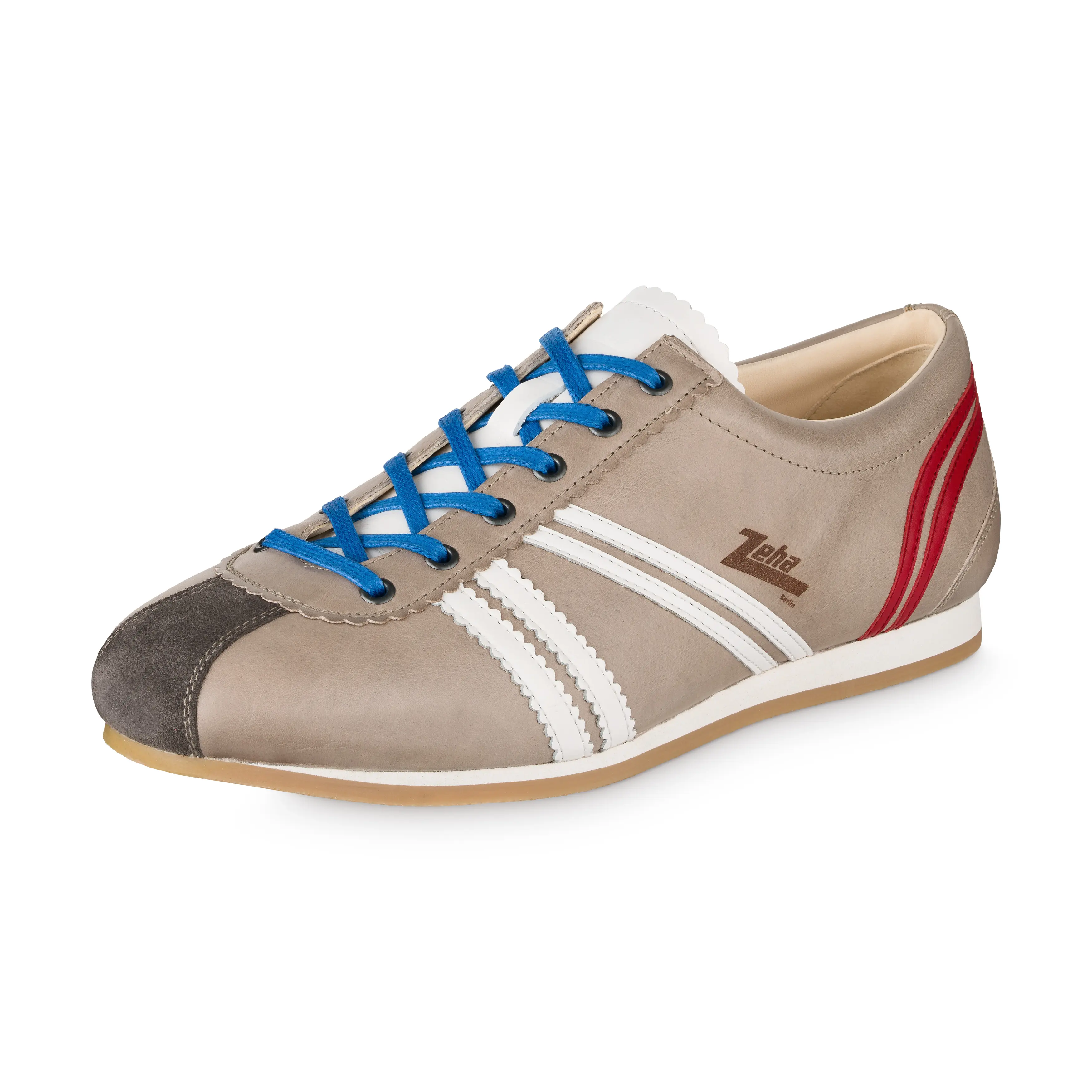
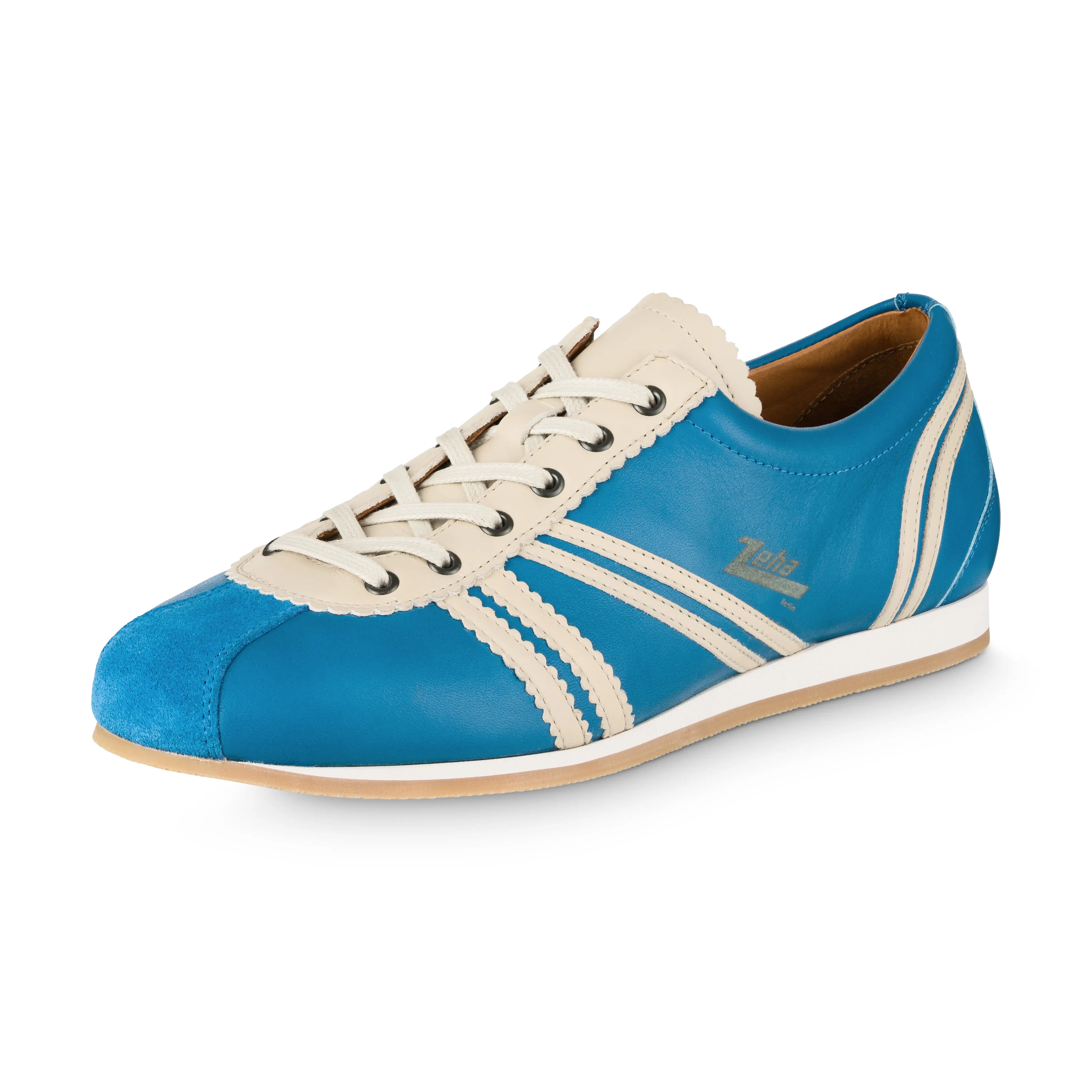
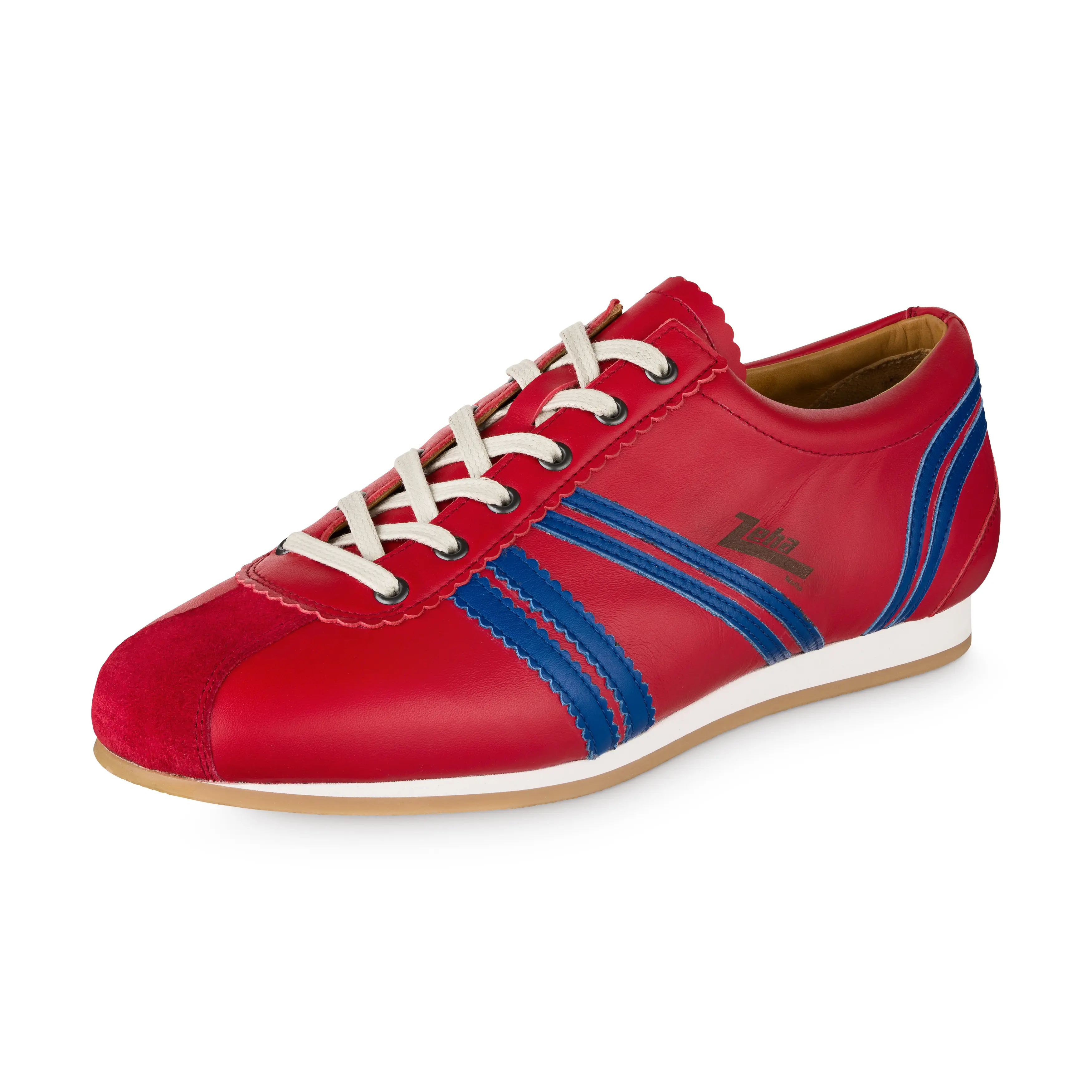
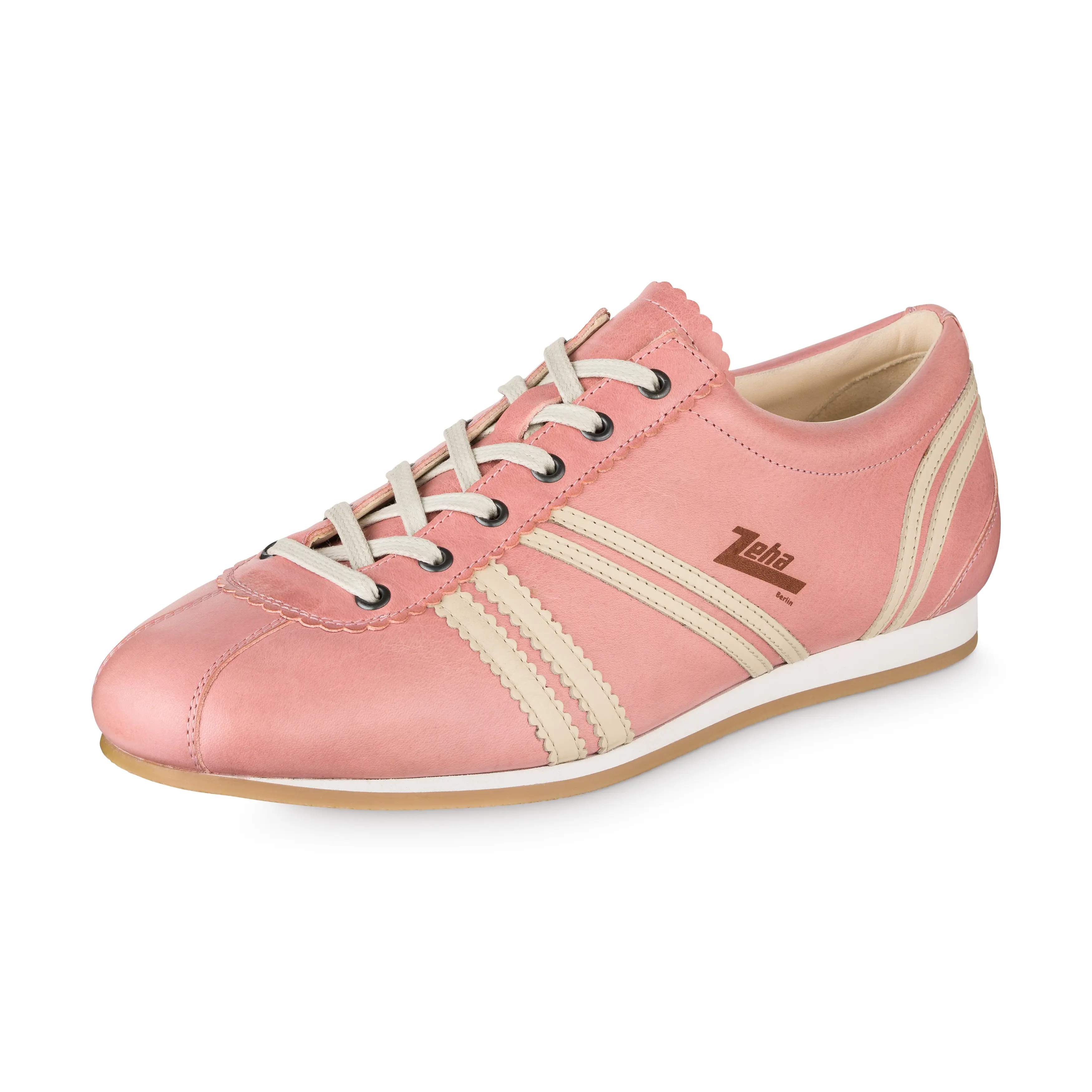
Olympia
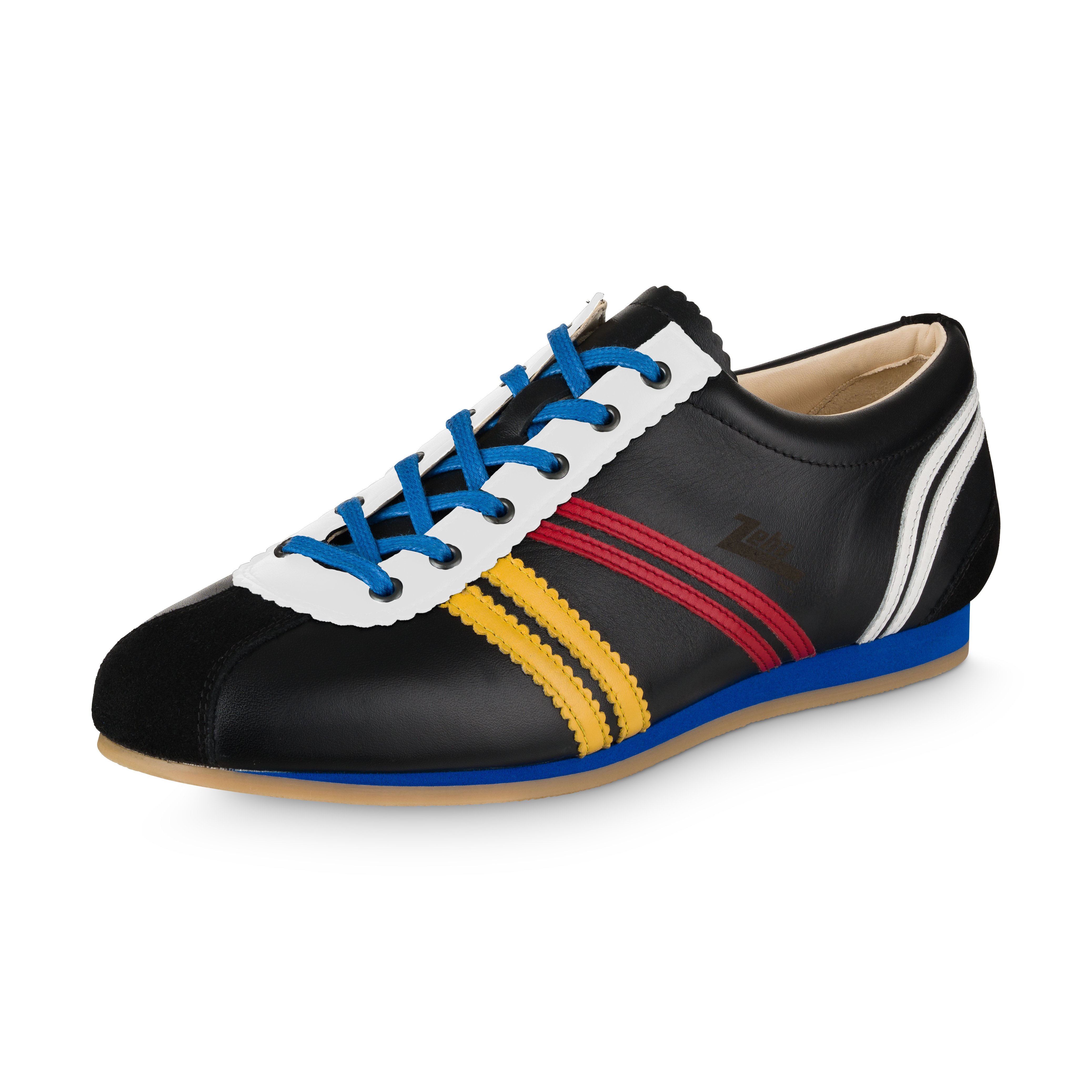
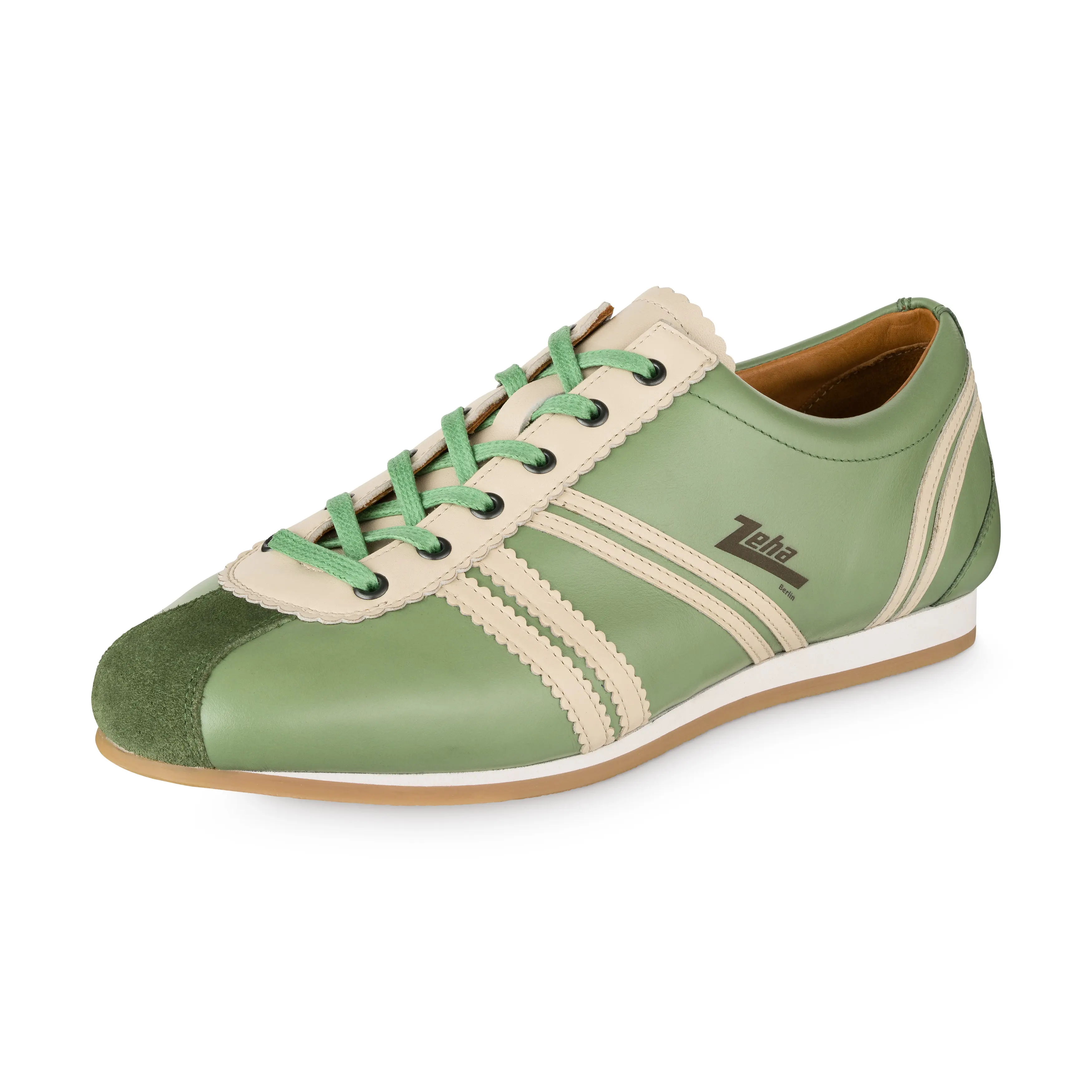
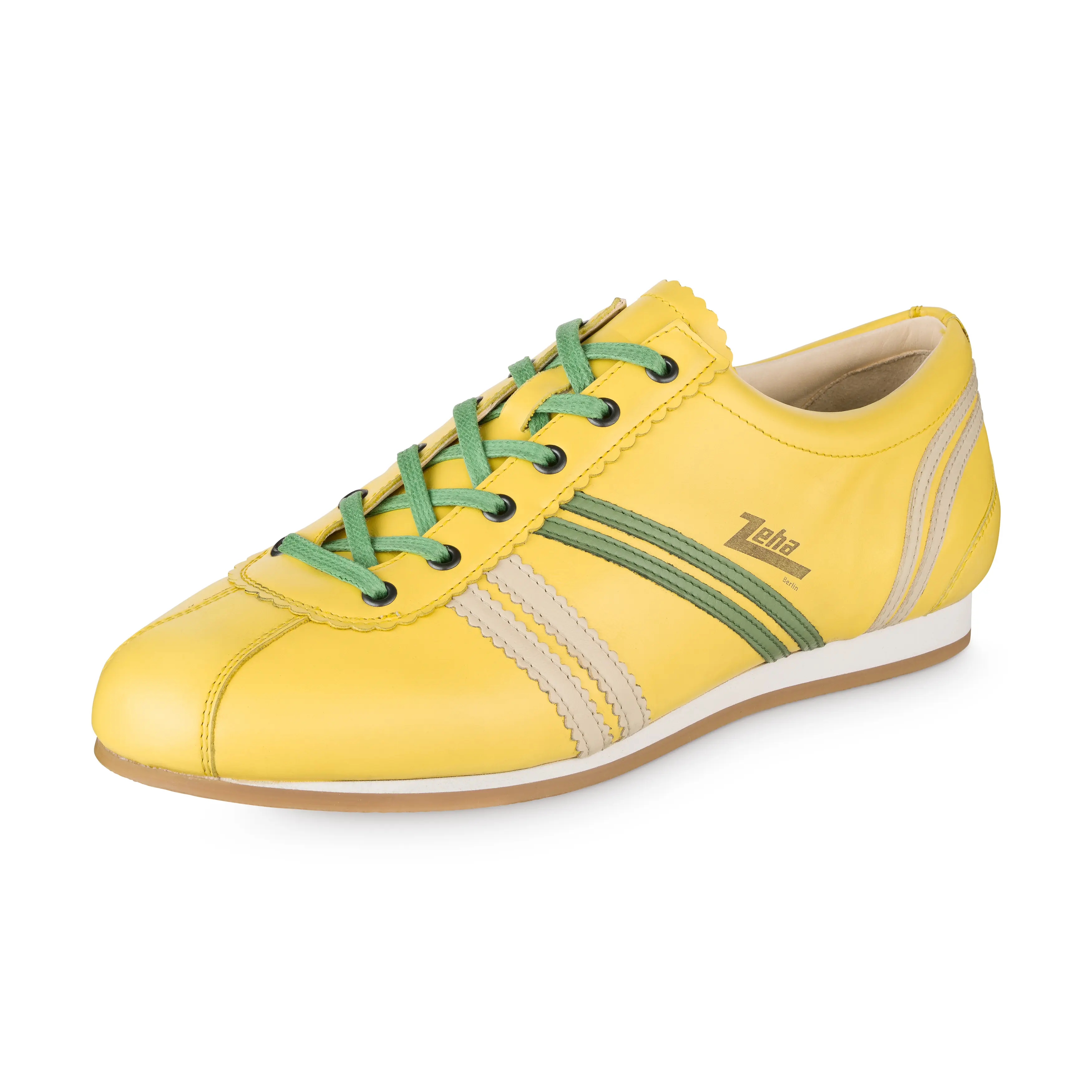
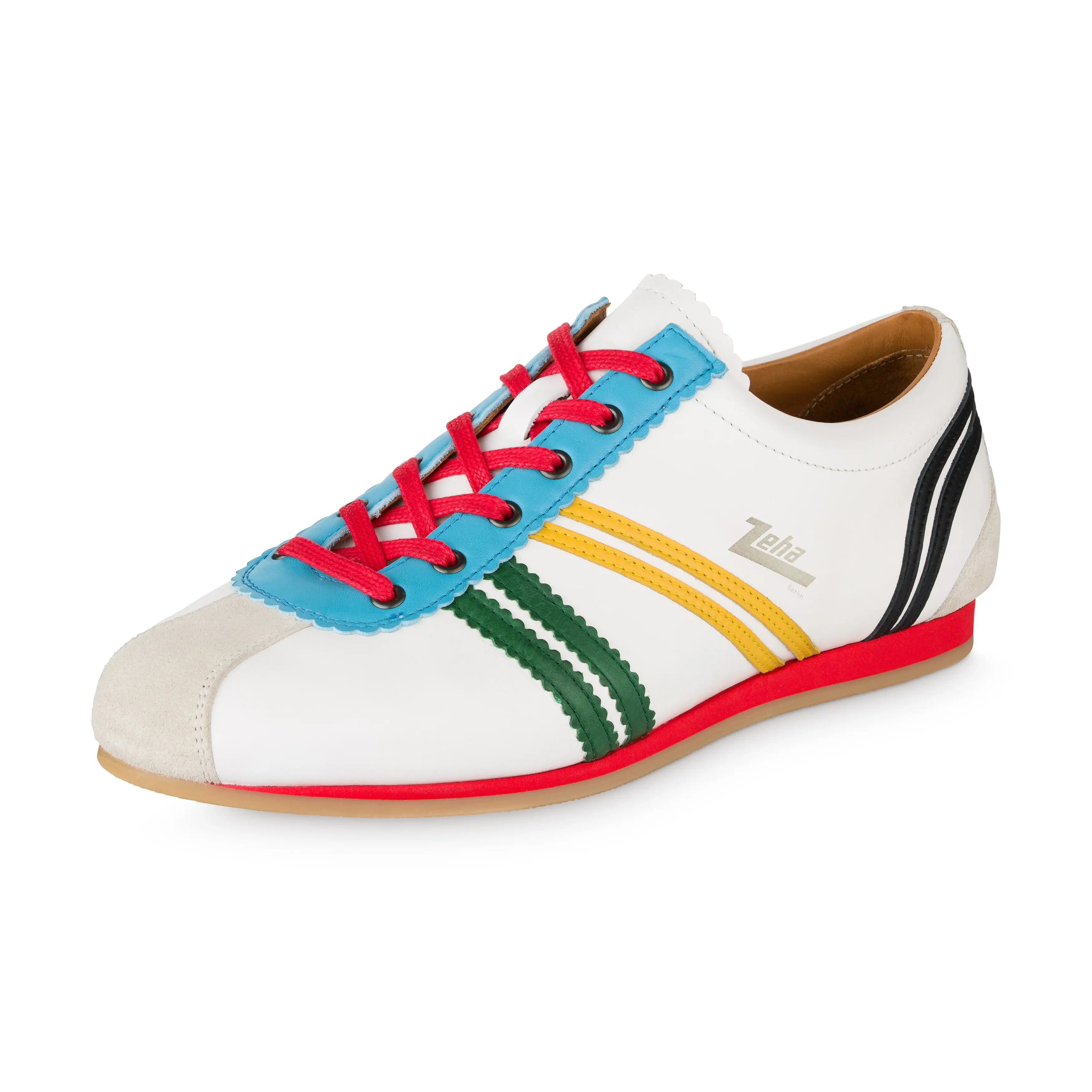
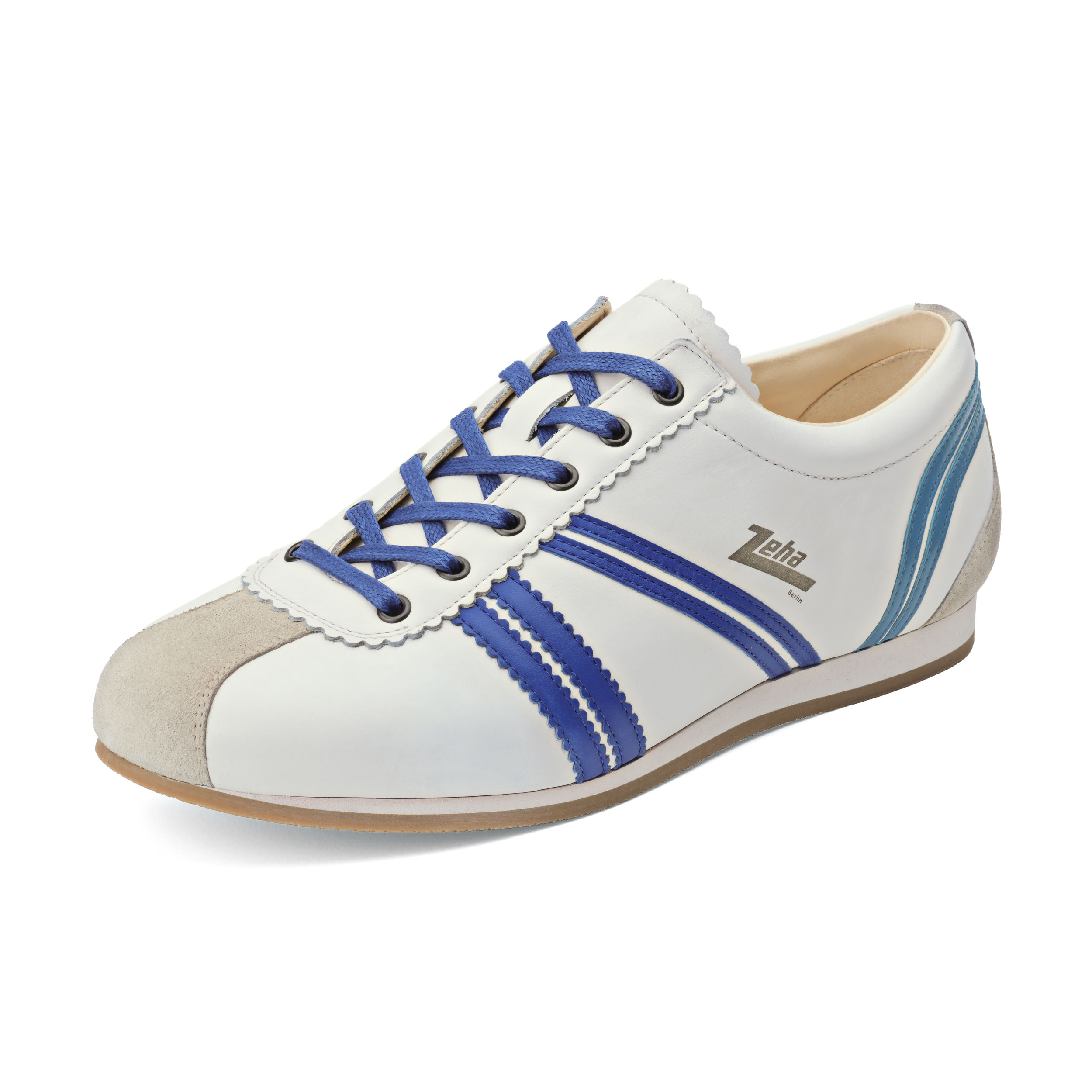
The Olympia draws on a historic ZEHA track-and-field shoe design from the 1960s – a period when ZEHA developed exceptionally lightweight racing and competition shoes for elite athletes.
Today’s version translates this idea into a lightweight leather sneaker for everyday wear, with its characteristic lines making its athletic origins clearly visible.
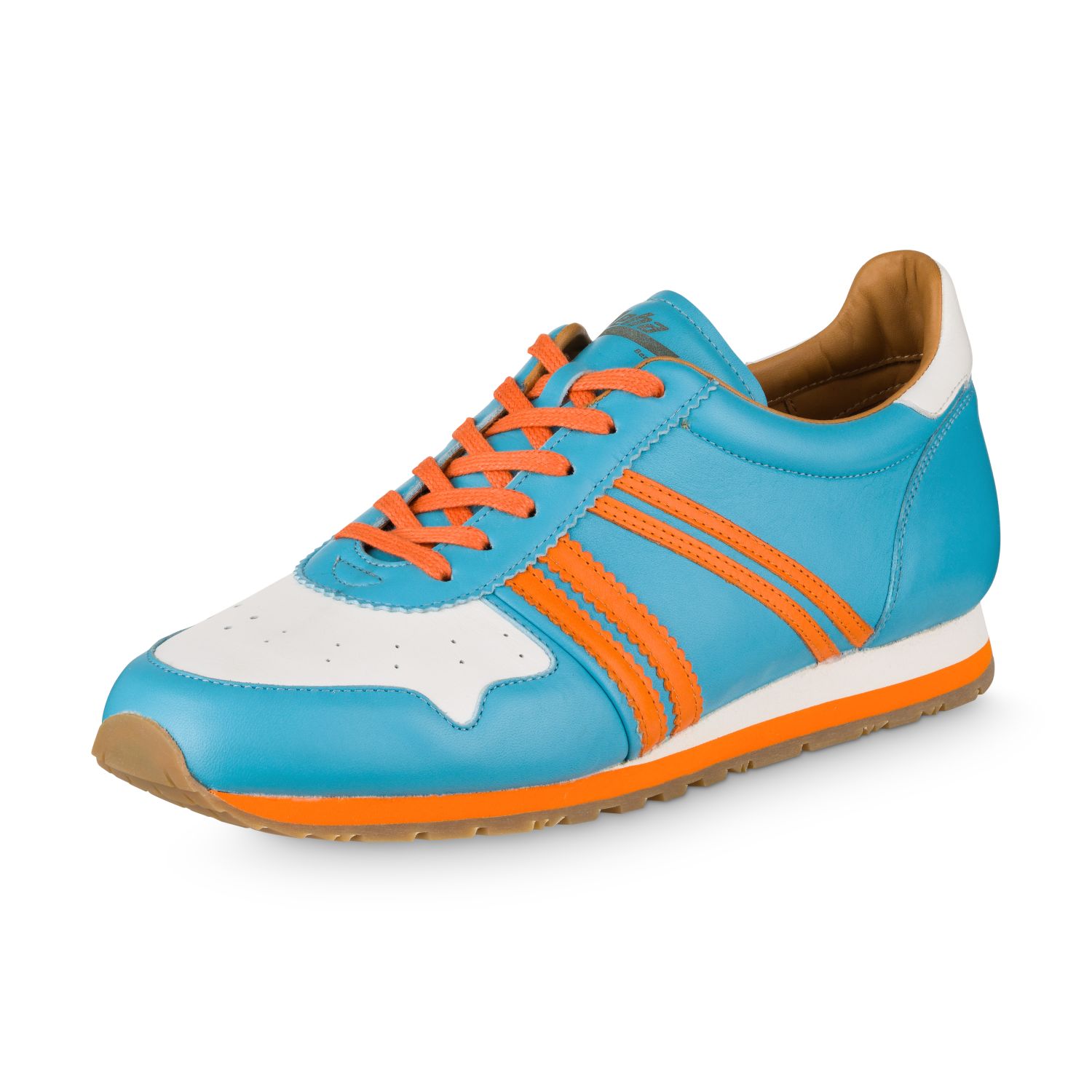
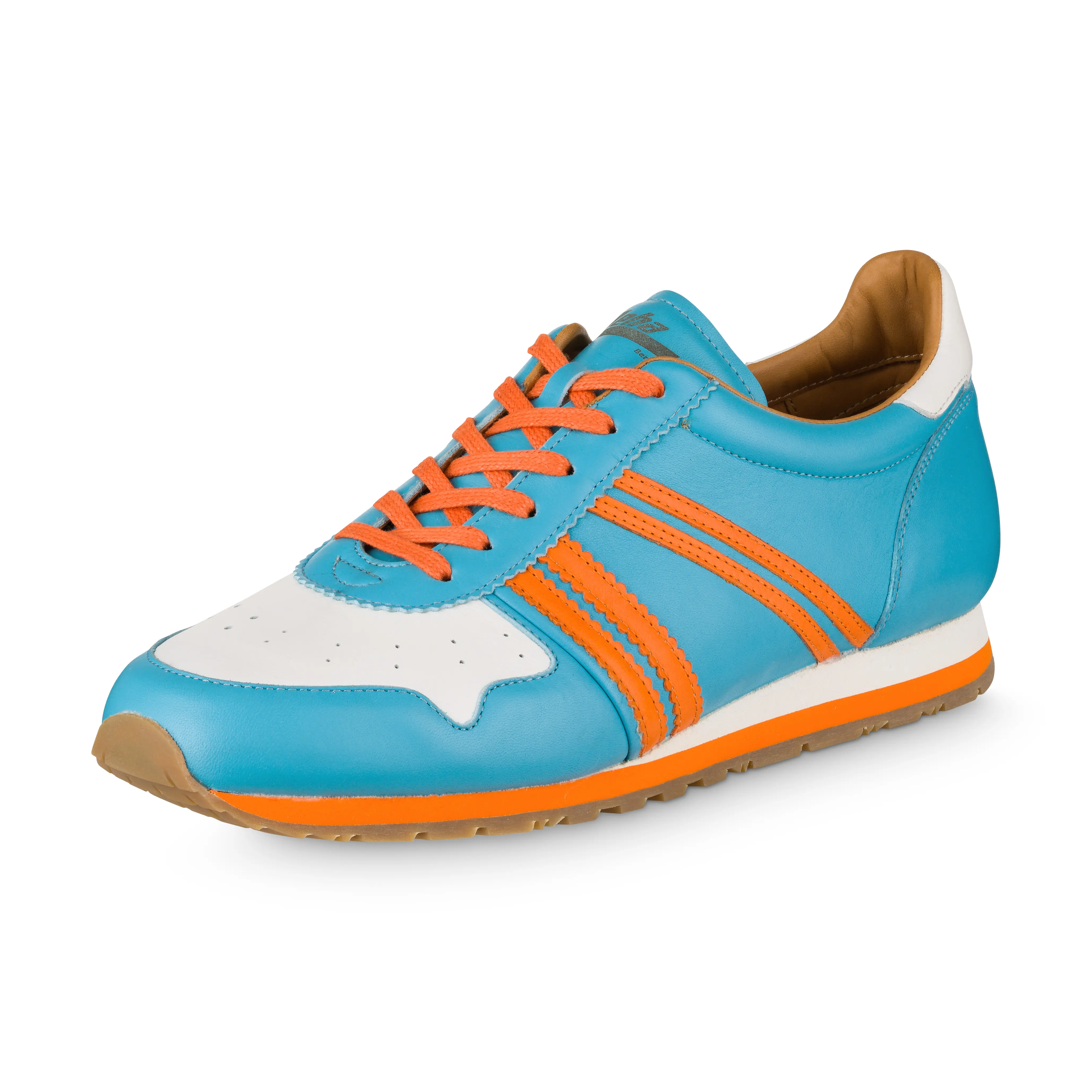
Marathon
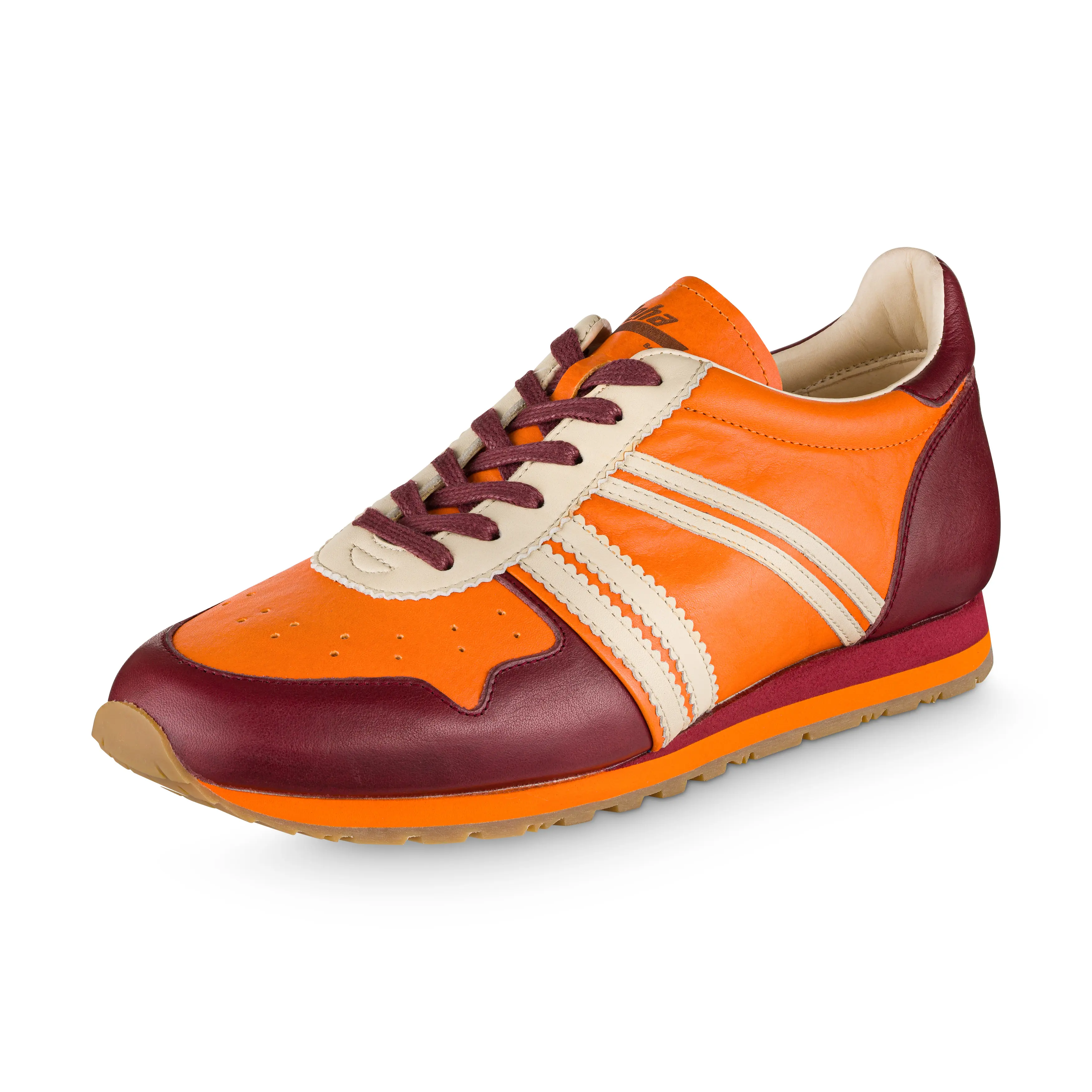
The Marathon carries forward the design language of historic ZEHA running shoes developed for long distances, low weight and freedom of movement.
Today’s construction translates this idea into a substantial leather sneaker for everyday wear – with a pronounced outsole profile and a distinctly dynamic character.




Bonaparte
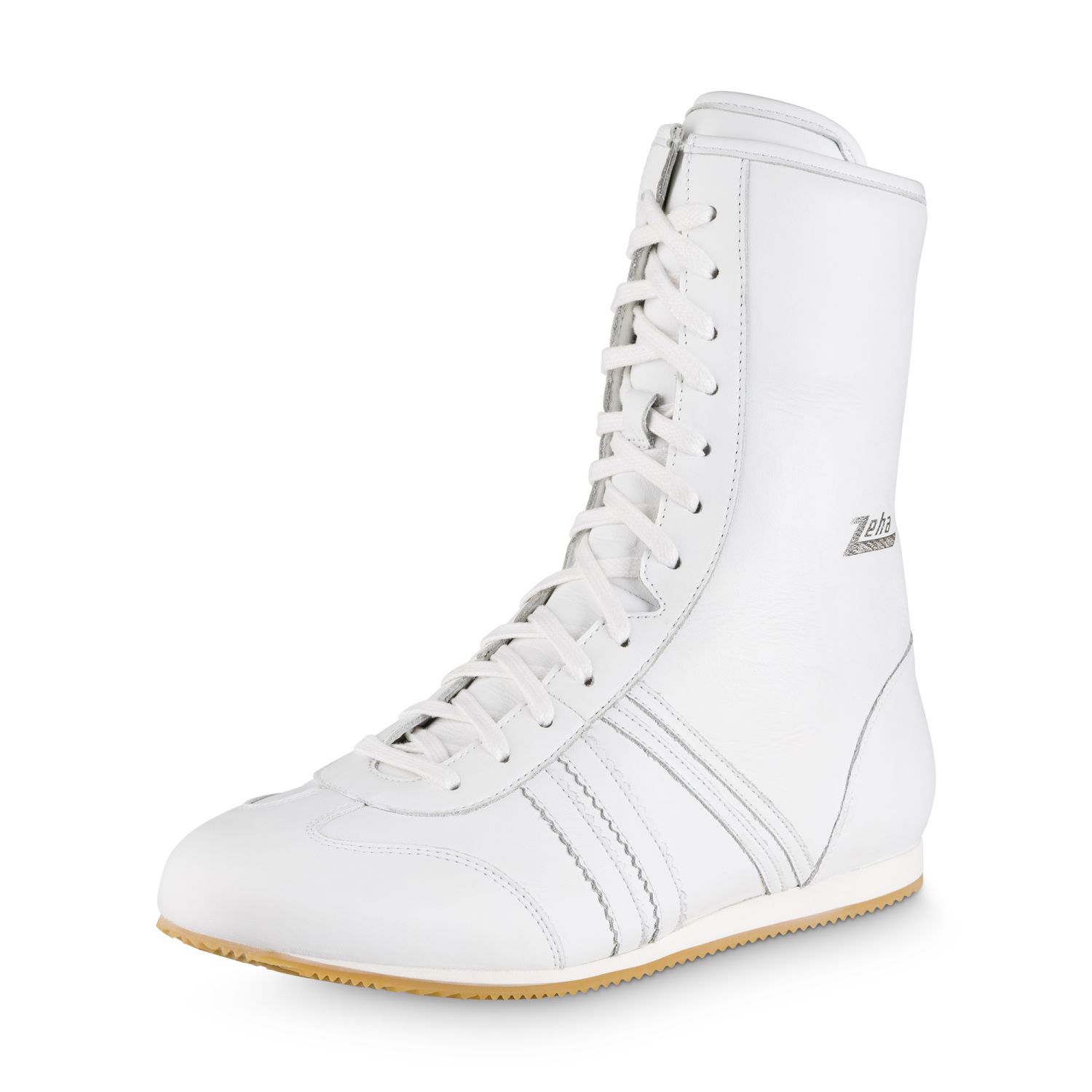
The Bonaparte is an exception within the Athletic Heritage Collection: its origins lie not in running, but in a historic ZEHA boxing shoe.
Together with Tobias Jundt of Bonaparte, the model was further developed for the stage. He wore a prototype intensively on tour for a year. The weaknesses identified during this period were continuously analysed by ZEHA, with the construction refined step by step.