Skip to main content Skip to search Skip to main navigation
Sign up for the newsletter and receive a € 10 voucher!
Iconic Streetwear Go to homepage from Berlin

ZEHA History

1897

The Beginning

The story of ZEHA begins in 1897 in Weida, Thuringia. At the time, the town is an important center for leather manufacturing and shoe production. It is in this environment that shoemaker Carl Häßner establishes his own shoe factory. The name ZEHA is derived from his initials. What begins with traditional shoemaking craftsmanship develops over the decades into a distinctive expertise in sports footwear. Construction, functionality and durability shape this journey – principles that continue to define ZEHA to this day.

Carl Häßner 1897

1909

Football Becomes Part of the Story

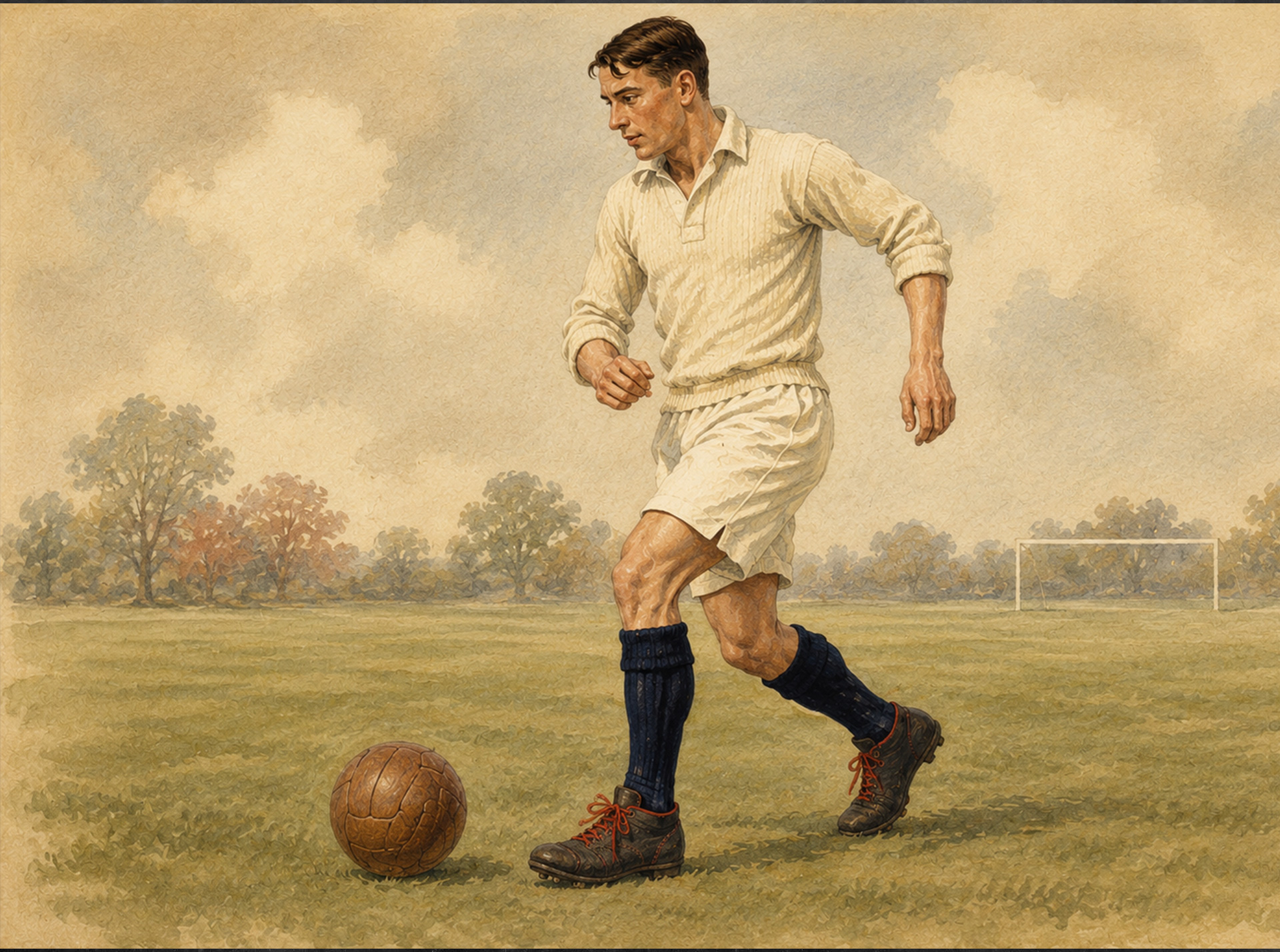
Football plays a special role in the Häßner family from an early stage. Carl Wilhelm Heinrich Häßner, the son of the company’s founder, joins the newly established 1. FC Thüringen Weida in 1909. From 1922 to 1945, he leads the club and takes it into the highest division of German football at the time. This close connection to football becomes an early part of the family’s de- velopment and, later, of ZEHA’s history as well.

Teaser-Bild

1925

A New Beginning After Difficult Years

Following the difficult years of the First World War and inflation, Carl Häßner’s shoe factory begins to grow again. Production increases in 1925, and sports shoes are already part of the ZEHA range. The combination of traditional shoemaking and sport is therefore already part of the company’s history in the 1920s – decades before ZEHA becomes an internationally successful specialist in sports footwear.

Teaser-Bild

1935

The Second Generation

Following the death of company founder Carl Häßner, his son Carl Wilhelm Heinrich Häßner takes over the shoe factory in 1935. At the time, the company employs around 30 people. This marks the beginning of the second generation of the family business – almost four decades after its founding in Weida.

Teaser-Bild

1947

A New Location

ZEHA’s 50th anniversary marks the beginning of a new chapter. A new shoe factory is built in Hohenleuben, where the foundation stone had already been laid in 1946 at the foot of the Reichenfels ruins. The topping-out ceremony follows at the end of 1947. Over the following years, production is gradually relocated from Weida to Hohenleuben. The new location becomes the center of ZEHA shoe production for the decades to come.

Teaser-Bild

1955

ZEHA Becomes a Sports Shoe Specialist

During the 1950s, sport increasingly becomes the focus of production. ZEHA continues to develop its football boots and, from 1954, produces models with molded studded soles. In 1955/56, the company systematically specializes in sports shoes for football, training and athletics. During this period, the two double stripes also become the brand’s unmistakable trademark.

Teaser-Bild

1960

From Hohenleuben to the World

In 1960, ZEHA becomes the official supplier to the East Ger- man Olympic team and is already exporting its sports shoes to 33 countries. In the years that follow, numerous specialized designs are developed for international competitive sport. In 1962, ZEHA develops the world’s lightest racing shoe and supplies the Soviet national football team at the World Cup. In 1965, the company’s outstanding achievements in sports footwear are recognized with a gold medal at the Leipzig Trade Fair.

Teaser-Bild

1972

75 Years of ZEHA

For its 75th anniversary, ZEHA reaches a historic production peak of more than 200,000 pairs of shoes. At the Munich Olympic Games, numerous successful athletes wear sports shoes made in Hohenleuben. The same year also marks the end of ZEHA’s history as a family business: the company is nationalized and transformed into a state-owned enterprise. The development and production of specialized sports footwear continues under the new conditions.

Teaser-Bild

1992

A Historic Turning Point

Following German reunification, the economic environment changes fundamentally. In 1992, shoe production comes to an end at the long-established Hohenleuben site. After decades of sports shoe manufacturing, an important chapter in ZEHA’s history closes. The brand and its distinctive symbol, the two double stripes, remain, however – and ten years later become the starting point for a new beginning in Berlin.

Teaser-Bild

2002

The Story Continues in Berlin

Ten years after production ends in Hohenleuben, a new chapter begins in Berlin. Alexander Barré and a friend immerse themselves in ZEHA’s history, conducting research in archives and collecting historic shoes, catalogs and shoe lasts. On this foundation, the brand is rebuilt. At the end of 2003, the first new ZEHA shoes are launched – and the two double stripes return.

Teaser-Bild

2006

A Summer Fairytale

For the 2006 FIFA World Cup in Germany, ZEHA returns to its long football tradition. With the Carl Häßner Collection, historic football boots from the ZEHA archive are reinterpreted and, for the first time, developed into high-quality leather shoes for everyday wear. Forty years after the 1966 World Cup, ZEHA once again connects a football World Cup with a special chapter in its footwear history.

Teaser-Bild

2024

Focusing on What Matters

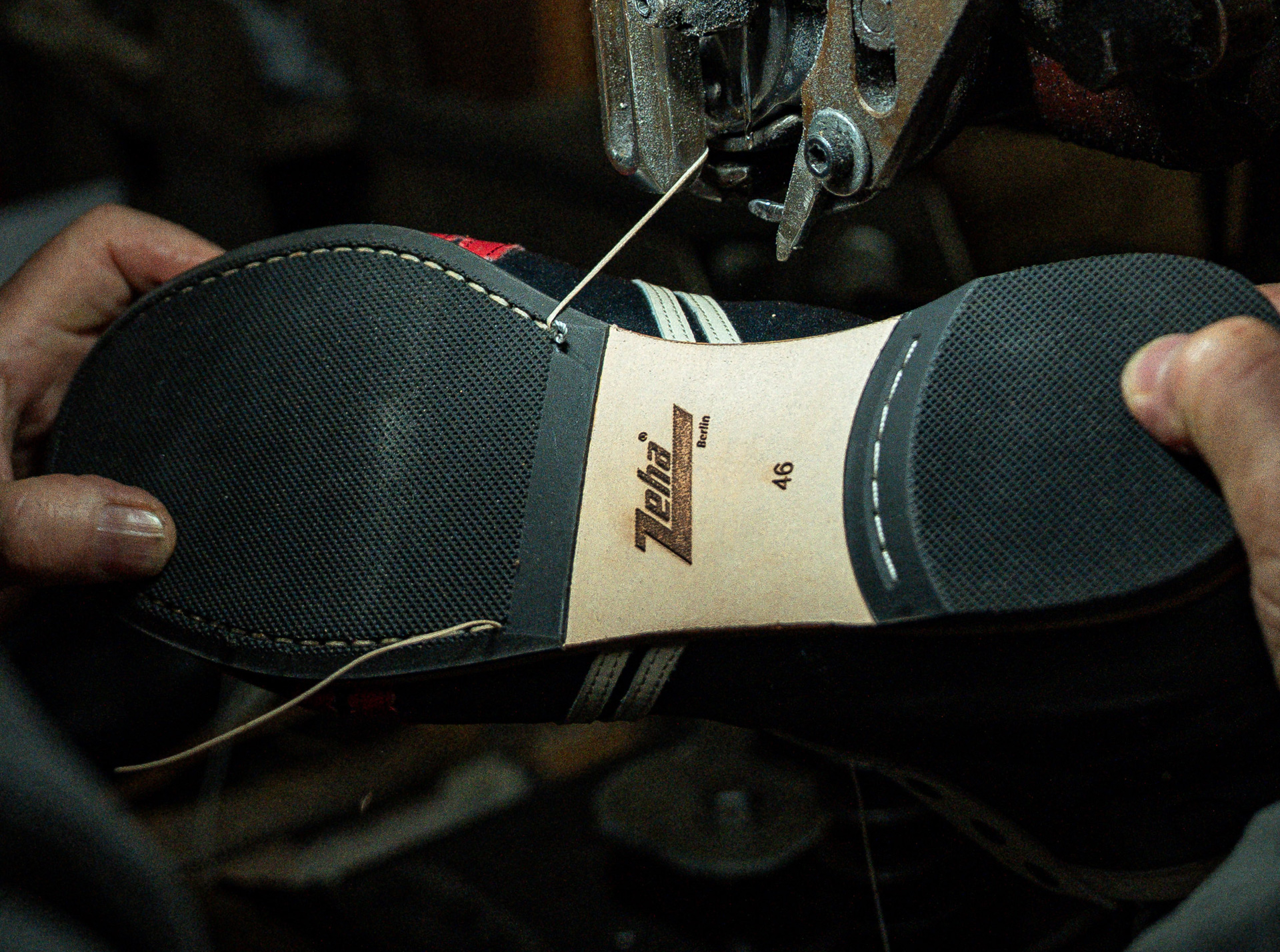
In 2024, ZEHA realigns its collection and once again focuses on the historic sports shoes that have shaped the brand for decades. At the same time, construction, materials and manu- facturing are fundamentally revised, significantly raising the standard of quality. The historic models remain the starting point for the design – but are re-engineered and developed into premium leather shoes for today.

Teaser-Bild